
LUCKY LURES
INTERCONNECTED FLASH FICTION | CAROUSEL TOWN

Artura was born in a hot sticky swamp house out in the boons, with a flat roof and a mosquito net hanging around her bed like a canopy, almost exactly the same shape as the triangle of moss hanging down from her favorite two trees, leaning towards each other like lovers at the end of a long marsh pass.
Her father was a fisherman, her mother, the bait. An honest man, Artura’s father suspected nothing when Artura’s mother asked him for money for her sick father a few weeks into their whirlwind romance. He readily gave her all he had, greedily lapping up her promises to return once her father was well again and seeing her off at the train station only to be just as surprised as she when she could not get on. She could not pull off her classic bait and switch, and instead found herself making new promises to a man she would actually keep.
They married quickly after, her mother soon pregnant with Artura’s stillborn sister, also named Artura. Why anyone would give more than one child such a name, Artura never understood. It meant noble, or so her mother told her every Wednesday when they visited the grave of her stillborn sister, out past the wild born ghost orchids that eventually got overtaken by water after that one storm that never retreated. And yet she and her mother would still go there, every Wednesday, to pay their respects, even when the water was over Artura’s knees, filling her boots and making them almost heavy enough to drag her into the Earth along with her sister.
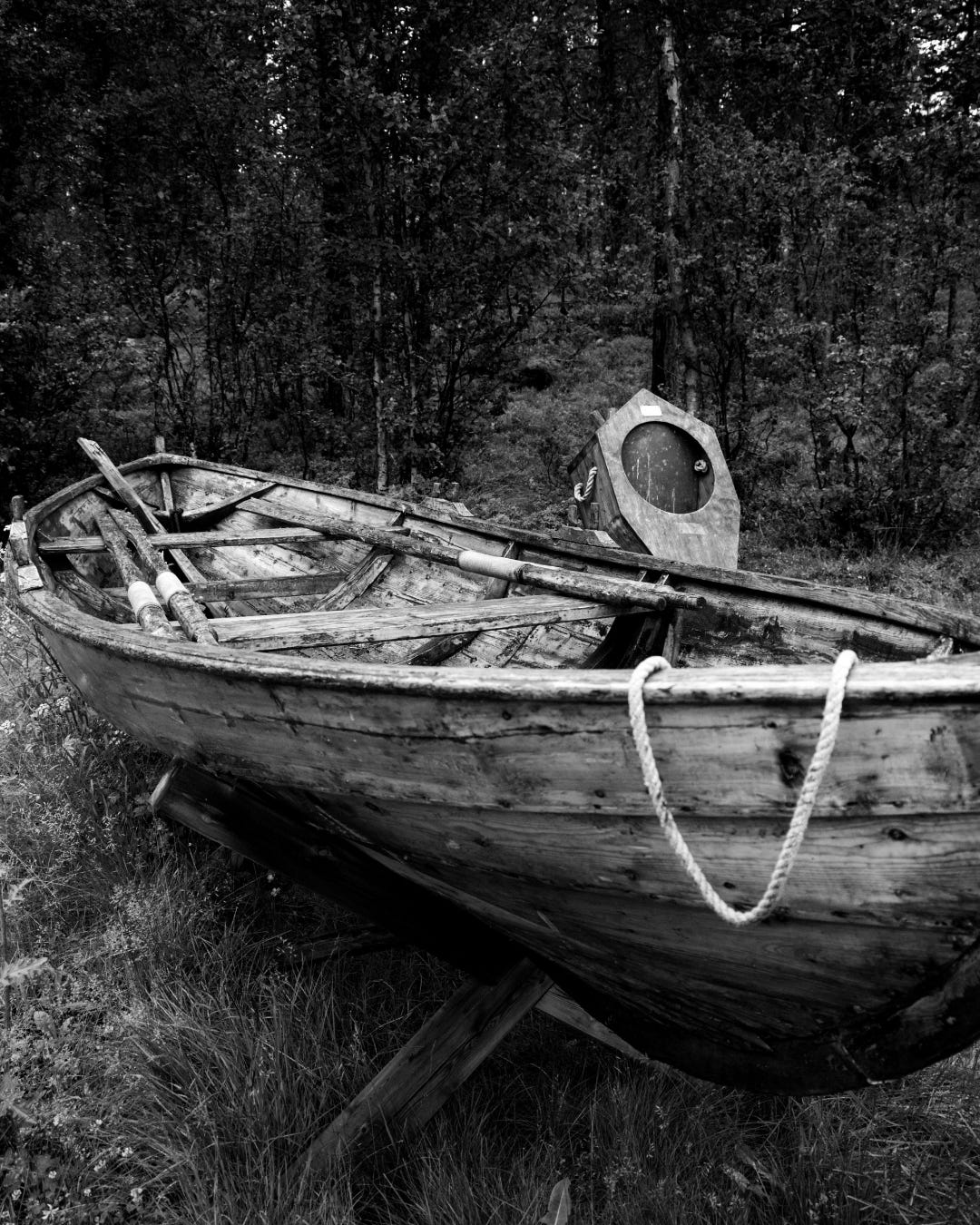
Arutra’s father sold hand-crafted wooden baits from a booth at the Farmer’s Market called Lucky Lures. They did not turn a profit, certainly not worth all the time he spent carving them, if time was measured in dollars. But if time was measured in equanimity, he made a tidy sum.
Artura loved to watch him carve them late at night when the cicadas were at their loudest, almost loud enough to overtake the sound of whittling and whistling that drove her mother nuts. She wore out her mother’s old dresses, pulling them up as if she were on the verge of a curtsy every time she moved, trying not to trip on the hems until she was old enough that they fell well above her ankles. Artura would fall asleep on the porch as her father worked and he’d leave her out there until morning when he’d wake her to take her fishing and teach her the trade he would have taught a son, had her mother ever been so lucky as to conceive one.
But she did not. She conceived six more stillborn children before she began to ward off Artura’s father with a sharp look. They were not buried with the ghost orchids, as Artura the first was. They were dropped off the dock to feed the fish, the daughters of bait doomed to be easy to catch food. Artura knew, as she was the one who dumped them, as instructed by her mother, and watched her sisters be consumed. Her father cried, but it was her mother who mourned endlessly in a closed off silence that couldn’t be broken for all the world.
In late spring one year, her mother filled her pockets with stones and walked off the dock too, while Artura and her father were at the farmer’s market, selling Lucky Lures.
After that, Artura’s father spent more time in town at the local watering hole, as he called it. And Artura understood that you could be surrounded by something and still seek it elsewhere because it did not have quite the same feel or touch or taste. He met a woman not much older than Artura and brought her home one day and introduced her to Artura, telling her this was her new mother.
Artura’s new mother convinced her father to buy a radio and they filled the swamp house with big band jazz, dancing as they did the dishes and cooked and sewed, many a prod and poke of needles bringing tiny bubbles of blood stains to their clothes. Artura’s new mother had hazel eyes that almost looked purple in the fading light of a sunset. Artura thought she the loveliest woman in the world, and felt guilty for thinking so, for shouldn’t she think so about her mother? Perhaps it was because she looked nothing like Artura that made her seem so beautiful.
One day she took Artura by bus to a carnival in the parking lot of a church in a nearby town. And though Artura was much older than the other children who rode the little rides, and Artura’s new mother was far older still, they went on them anyway, spinning round and round sitting on painted horses of which Artura had never seen the like.
She lost track of how many times she rode the miniature carousel, and somewhere in those many times, she also lost track of her new mother. She grew so dizzy, she clutched the horse around the neck trying not to slide off as it continued to spin. And she wondered why no one made her get off or asked her for more tickets until she saw, as she spun, the smallest glimpse, or was it just her imagination, of her new mother kissing the heavy-set carnival man operating the carousel, her new mother’s hands tucked under his suspenders as she pulled him closer, closer still.
The next time Artura spun around, they were gone.
It took seventeen days for her to recover in the church in whose parking lot the carnival once stood, though it had since moved on. It took seventeen days for the world to stop spinning in her mind, and eight more still for her to find her way back to the hot sticky swamp house in the boons. And by the time she did, her father was nowhere to be found. And no one could tell her where he was or even if he ever lived at all. No one could remember their Lucky Lures booth at the Farmer’s Market or Artura’s new mother and the way she danced with her elbows jutting out to big band jazz. No one could remember her own mother and her stillborn children and when Artura looked and looked, she could not find the ghost orchids or her sister’s grave.
Artura felt as if her whole life were a con, a bait and switch, though she never thought she would be the victim. Only in hindsight did it seem obvious that it could not have been real – the handcrafted lucky lures, the daughters of bait thrown off the dock to feed the fish, the ghost orchids swept up in that one storm, the trees leaning towards each other like lovers at the end of a long marsh pass. The only thing that felt real to her was the painted horse, and the way her hands felt clutching its neck.
Artura left the same day she arrived to search for the carnival again. Because even though it made her world spin, at least she knew she had something to hold on to when it stopped.
Artura's perspective felt as if she knew her life was full of questions and instability, yet it was her life and, like the carousel she rode, came to an end, leaving her with questions but not as melancholic.
It really captured the instability of the household well. So much packed in a short story.
I really enjoyed reading this piece. You built up Artura’s world so eloquently for it all to come crashing down at the end in the best way possible. Thanks for sharing.